1st Sep 2026
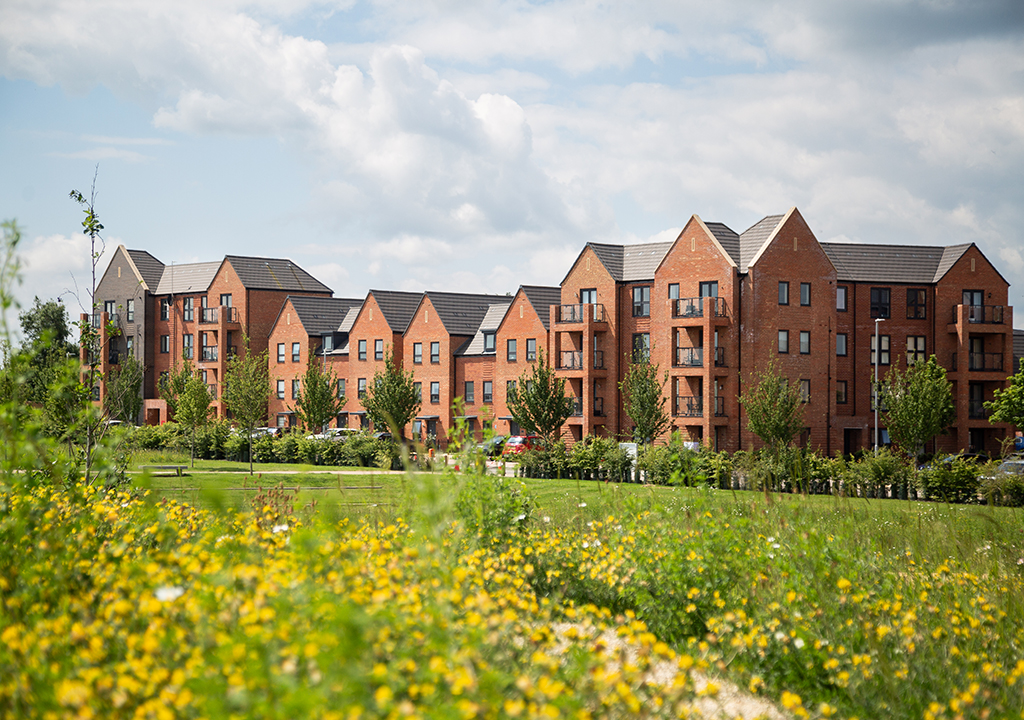
In response to frequent requests on how our green spaces are managed, through the seasons, Aaron– Linmere Estates Manager for the Land Trust– has provided a summary of our grass cutting schedule. Whilst these aren’t specifically timed-schedules, this provides an overview of when, where and how grassed areas are maintained.
Grass areas across the community are maintained to keep them looking tidy, safe and suitable for their setting. Some areas are cut regularly for everyday use, while others are left longer to support wildlife, wildflowers and promote natural habitats.
Before cutting takes place, the ground will be prepared before cutting takes place, where the maintenance team will clear litter, stones or anything else that could be unsafe or damage equipment.
Different grass areas are managed in different ways:
Amenity grass
These are the more regularly used grass areas. They are usually cut every two weeks and kept between 25mm and 50mm high. Cuttings are collected and removed.
Rough grass
These areas are cut around once a month to a height of approximately 100mm. Grass cuttings are normally left on the grass and spread evenly.
Long grass areas
Some long grass areas are cut only once or twice a year, usually in April and/or September. This helps maintain a more natural appearance and promotes plant life, insects and wildlife.
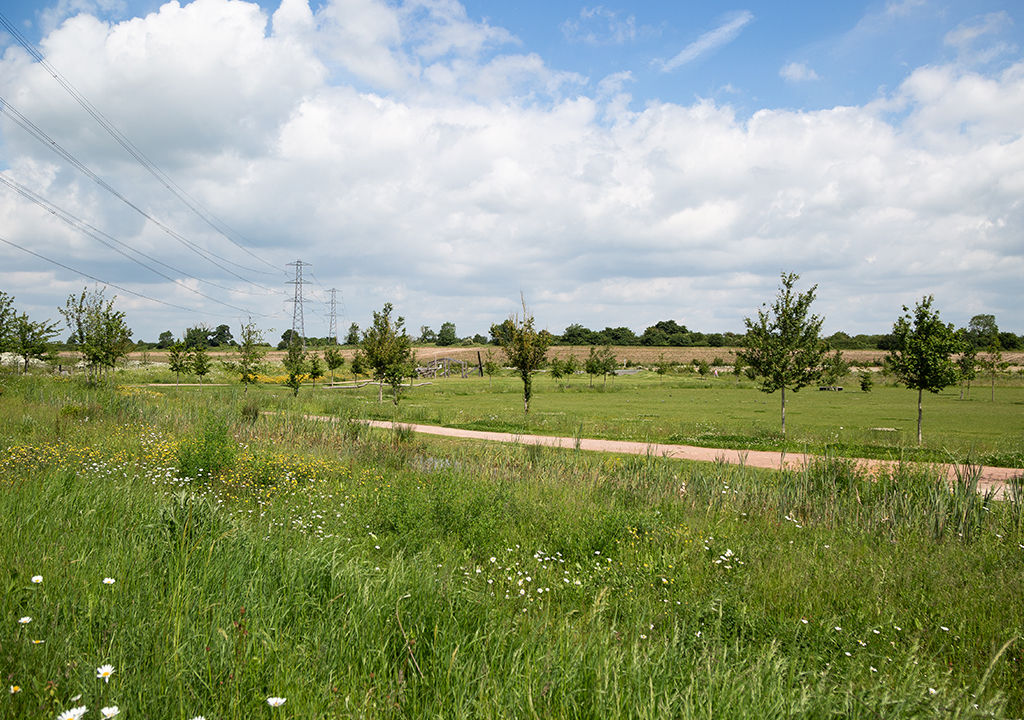 Rough grass areas are cut around once a month to a height of approximately 100mm.
Chalk grassland and wildflower areas
These areas are usually cut twice a year, in late July or early August and again in mid-September or October. Sometimes, some grass cuttings are left in place to promote seed distribution, after which they’re removed to help prevent nutrient build-up and encourage the right wildflower species to thrive.
Wetland grass
Wetland areas are cut once a year, usually in September, to around 150mm. Cutting is carried out carefully and often in sections, helping to protect amphibians, small mammals and other wildlife. Grass cutting is avoided between March and August to reduce disturbance to nesting birds and their habitats.
Bulbs in grass
Where spring bulbs are planted, grass cutting is delayed until at least six weeks after flowering. This gives the bulbs time to feed and return strongly the following year.
This approach helps balance the need for tidy, usable green spaces with the importance of protecting nature, supporting biodiversity and allowing different landscapes to flourish across the community.
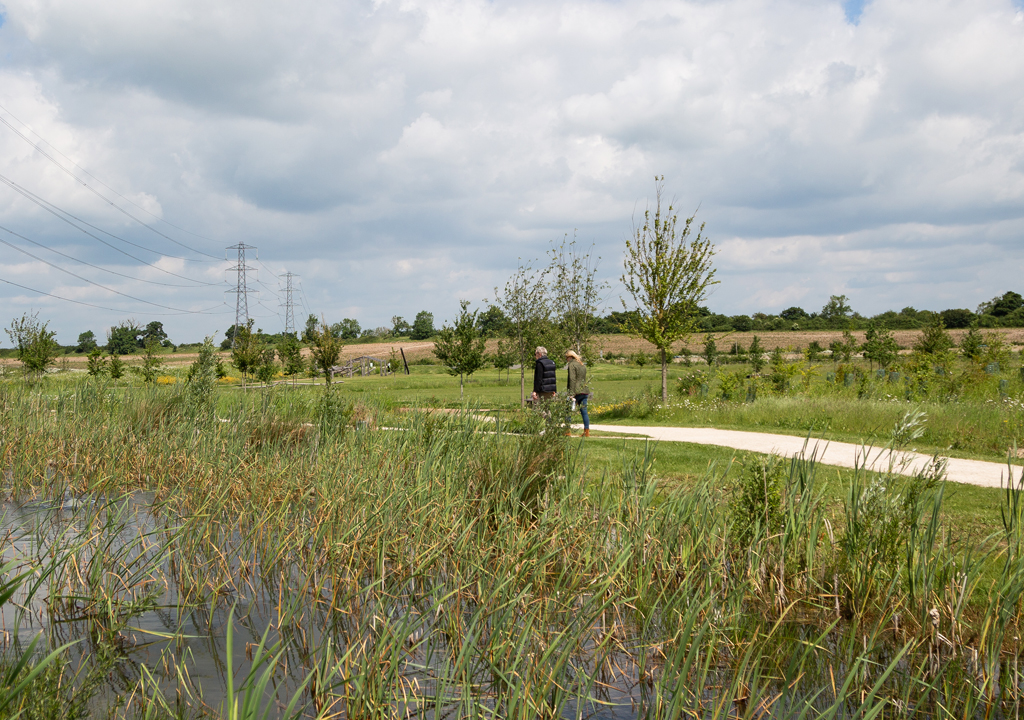 Wetland cutting is carried out carefully, helping to protect amphibians, small mammals and other wildlife
If you have any questions you want to raise with The Land Trust, please use the Zendesk link here.
Register your details to be the first to hear the latest news from Linmere or make an enquiry.